
Live Chat with a CLE Manager
Continuing Legal Education courses for Attorneys
Online CLE courses, cle courses, cle state bar courses
You are viewing courses for Missouri. Select a Different State.
View MO Accreditation Info

Estate Planning: Common Issues; Practical Answers

SKU: EPP055
General Credits
1.2
Price$50
  • Instant Online Access
  • All Your Devices
  • DVD & CDs
  • iOS & Android App
  • Save To Device

Description

Every practitioner in every discipline has heard this complaint about a grantor trust and likely we will all hear more of it. Grantor trusts have become the foundation of most modern estate plans. One of the many “benefits” of grantor trusts is that the settlor creating the trust pays the income tax on income earned inside the trust.

That is a great way to accelerate the growth of trust assets, and continue to reduce the creator’s estate. But, as with so many things, too much of a “good thing” can grow old. At some point the cost of paying that income tax is just too burdensome and people want out.

What options exist to mollify the growing discomfort of bearing the tax cost on trust income? One obvious option is to turn off grantor trust status so that the grantor who created the trust can stop paying the income tax. But that is not only not simple, but it may also not be possible. Can a trustee take action to do so? Even if it is possible there may be adverse tax consequences to turning off grantor trust status. What other options and issues exist. Join us for a practical discussion of this common issue that will assuredly come up more frequently in future years.

Lecturer Bios

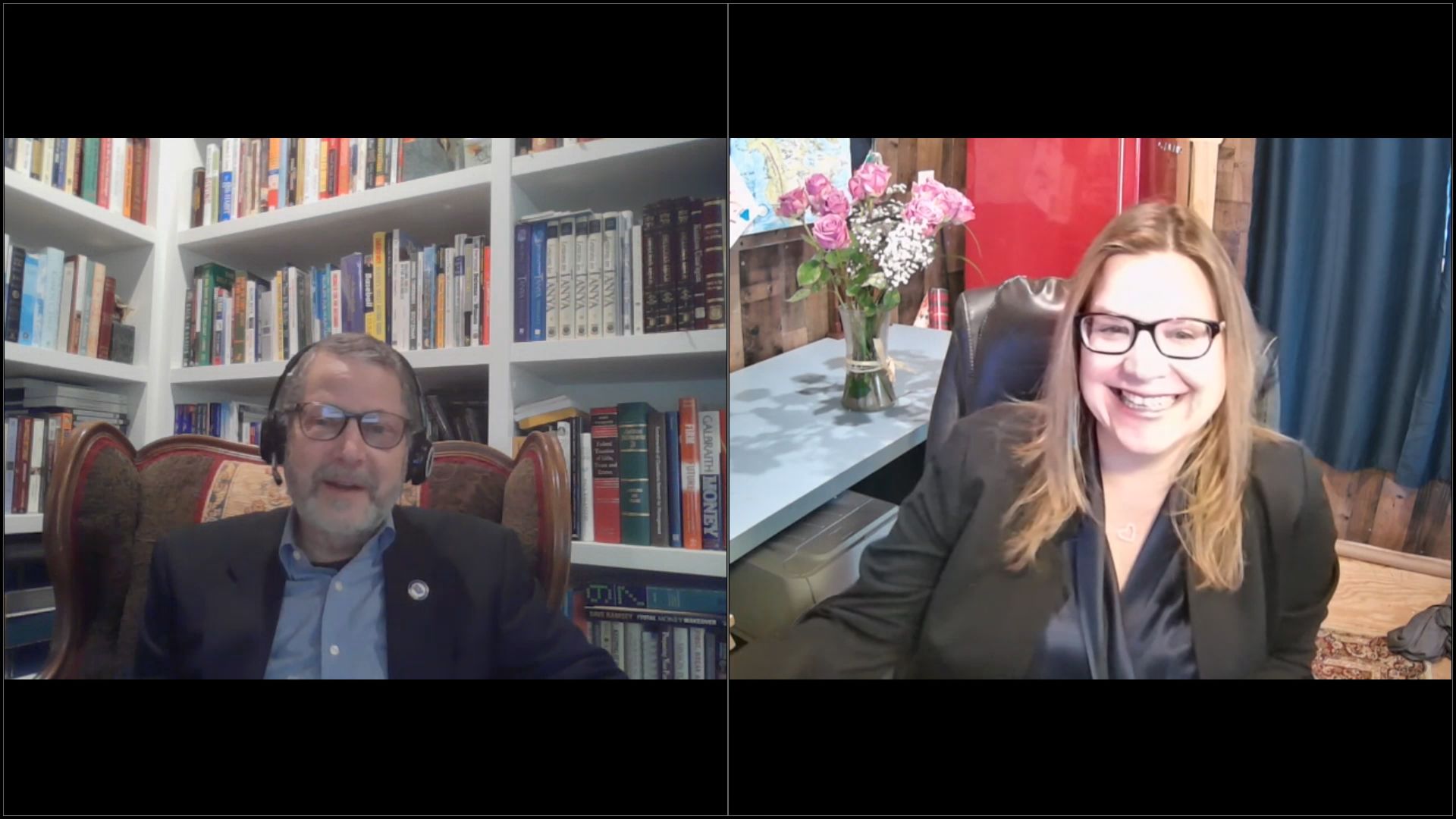
Martin M. Shenkman, Esq.

Martin M. Shenkman, CPA, MBA, PFS, AEP (distinguished), JD, is an attorney in private practice in Paramus, New Jersey and New York City. Practice concentrates on estate and tax planning. He is the author of 42 books and more than 1,000 articles. He is active in many charitable causes and founded ChronicIllnessPlanning.org which educates professional advisers on planning for clients with chronic illness and disability. He has a Bachelor of Science degree from Wharton School, with a concentration in accounting and economics, an MBA from the University of Michigan, with a concentration in tax and finance, and a law degree from Fordham University School of Law.

To learn more about Marty visit his website http://shenkmanlaw.com

Joy Matak, Esq.

Joy Matak is a tax director at CohnReznick and Co-Leader of the Firm’s Trusts and Estates practice. She has more than 18 years of experience as a wealth transfer strategist with an extensive background in providing tax services to multi-generational wealth families, owners of closely-held businesses, and high net-worth individuals and their trusts and estates.

Joy provides clients with diverse wealth transfer strategy planning to accomplish estate planning and business succession goals. She also performs tax compliance including gift tax, estate tax, and income tax returns for trusts and estates, as well as consulting services related to generation skipping including transfer tax planning, asset protection, life insurance structuring, and post-mortem planning.

Prior to joining CohnReznick, Joy was a senior tax manager at a Top 20 accounting firm. Early in her career, she was a principal in a Virginia-based law firm and also worked as a senior associate in the growing trusts and estates groups of one of the leading commercial law firms in New Jersey. Joy has spoken for the Greater Middlesex/Somerset Estate Planning Council and published articles for the Hudson County Business Journal and Tax Management Estates, Gifts and Trusts Journal on a variety of topics including wealth transfer strategies, income taxation of trusts and estates, and business succession planning.

Missouri attorneys may earn all 15 credits from the National Academy of Continuing Legal Education. To view our full accreditation details, please click here.


States where Nacle.com Offers CLE Courses On DVDs, Audio CDs, Online & iOS/Android App (Continuing Legal Education):
Alaska CLE | Alabama CLE | Arkansas CLE | Arizona CLE | California MCLE | Colorado CLE | Connecticut CLE | Washington DC CLE | Delaware CLE | Florida CLE | Georgia CLE | Guam CLE | Hawaii CLE | Iowa CLE | Idaho CLE | Illinois MCLE | Indiana CLE | Kansas CLE | Kentucky CLE | Louisiana CLE | Massachusetts CLE | Maryland CLE | Michigan CLE | Minnesota CLE | Missouri CLE | Mississippi CLE | Montana CLE | North Carolina CLE | North Dakota CLE | Nebraska CLE | New Hampshire CLE | New Jersey CLE | New Mexico CLE | Nevada CLE | New York CLE | Ohio CLE | Oklahoma CLE | Oregon CLE | Pennsylvania CLE | Puerto Rico CLE | Rhode Island CLE | South Dakota CLE | Tennessee CLE | Texas CLE | Utah CLE | Virginia CLE | Virgin Islands CLE | Washington CLE | Wisconsin CLE | West Virginia CLE | Wyoming CLE | Online CLE Courses | Virginia Interactive Webinars | Pennsylvania Live Webinars | Live Webinar CLE Calendar | NY BTG CLE | Teach at the Academy | F.A.Q. | Hardship Policy | Terms And Conditions | Contact Us | iOS/Android App | Account Login | Unlimited CLE | Sitemap | Mobile Site
Copyright © 2000 - 2026 National Academy of Continuing Legal Education. All Rights Reserved.